




 Spacemiles - Collect discount -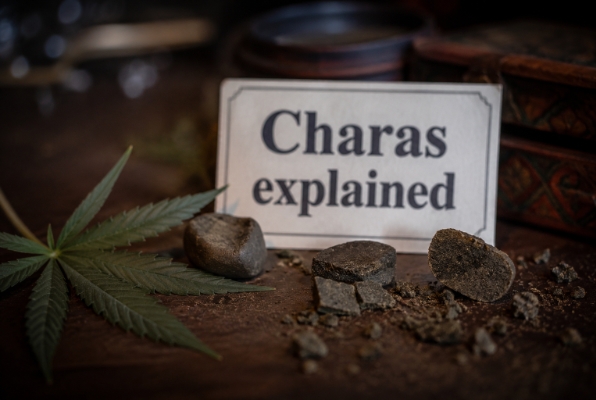
Charas explained: A complete guide to traditional hand-rubbed cannabis resin

Charas explained: A complete guide to traditional hand-rubbed cannabis resin
Charas is a traditional hand-rubbed cannabis concentrate associated with the Indian subcontinent and the Himalayan region. Read this guide to learn the charas meaning, how it is made, the different types, how it compares with hash and ganja, its effects and risks, its legal status, and more.
What is charas?
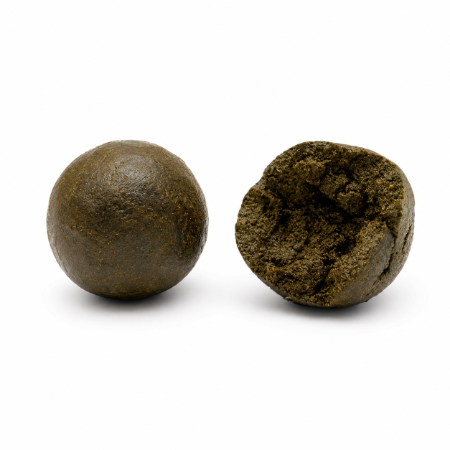
Charas is a traditional cannabis concentrate made by collecting resin from live or freshly harvested cannabis plants, usually by gently rubbing the resin-rich flowers between the hands. Search phrases such as “hash charas”, “ganja charas”, and “charas drugs” generally refer to this same hand-rubbed cannabis resin, although they are not formal alternative names. Depending on the cultivar and production method, charas may have earthy, spicy, herbal, piney, or deeply resinous aromas. It has traditionally been used in parts of South Asia in religious and spiritual contexts, as well as recreationally, and is often associated with smoking through a clay pipe called a chillum.
For many cannabis enthusiasts, charas is seen as one of the most natural and best forms of hashish. Some describe it as exceptionally smooth, with mind-blowing aromatics and deep flavors, producing a warm, dreamy high full of synergy that feels very different from ordinary weed.
Origins of charas
Charas has long been associated with the Indian subcontinent, particularly India, Nepal, Pakistan, and Afghanistan, as well as mountain regions such as the Himalayas, Kashmir, and the Parvati Valley in northern India.
In India, hashish charas has a deep cultural history and has often been connected with Hinduism, Shaivism, and Shiva worship, where cannabis has been used for religious and spiritual purposes and in traditional medicinal contexts. Although India’s Narcotic Drugs and Psychotropic Substances Act of 1985 placed charas under strict legal control, its cultural presence did not disappear, and it remains closely tied to the history of cannabis in the region.
Some of the best-known names connected with Indian charas come from mountain regions, especially Malana Cream from the Parvati Valley and Kashmiri charas from the Himalayas. Other names, such as black charas, cream charas, and Kerala Gold, are also often mentioned in Indian cannabis culture, although these terms are not always used in the same way everywhere.
How is charas made?
So, exactly how is charas produced? First of all, let’s explore what it is made of: fresh resin from a live cannabis plant (Cannabis sativa or Cannabis indica). If you’ve ever heard the terms “charas plant” or “charas tree” and felt confused, you aren’t alone. To set the record straight, the charas meaning is not connected to a special plant species or tree; it refers to the final product made from fresh cannabis plants that you may grow yourself with seeds from our Seedshop!
Charas is obtained from which part of the plant?
Charas is obtained primarily from the resin-rich flowering tops of the cannabis plant. These flowers contain glandular trichomes that produce resin containing THC, CBD, and other cannabinoids, depending on the plant used.
Step-by-step on how to make charas
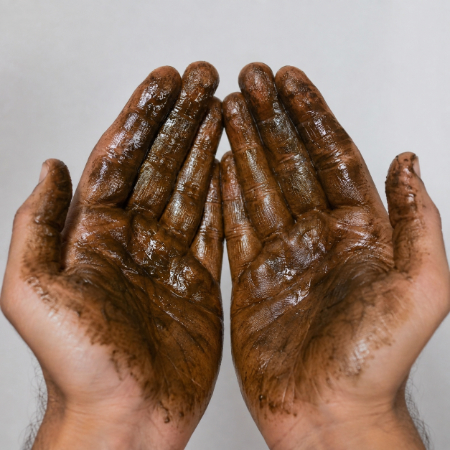
The most common method used to make charas is rubbing the buds between your hands, slowly extracting the resin. Another traditional method reported in India involves moving through cannabis crops and collecting the sticky resin that adheres to clothing or the body. Anyway, to make your own charas ganja at home, follow these steps:
- Collect your buds: It’s best to use fresh, smaller buds with a bit of stem that are about two or three weeks away from being harvest-ready.
- Rub weed tops between your hands: Make sure your hands are clean and slowly roll the buds between your palms. Their sticky resin will gradually coat your hands.
- Form the ball(s): Once your hands are covered with sticky brown or black resin, set the buds aside and begin rolling the resin in small circles in the center of your palm. It should begin to form a small ball. Once it does, continue rolling the ball around your palm, and it will grow into a lump of charas. Alternatively, use a tool such as a dull knife to carefully scrape the resin from your palms.
- Store: When finished, place your charas balls in an airtight container, such as one of our plastic jars with silicone inlays, or wrap them tightly in plastic film. Store them away from heat, moisture, and direct light. This helps protect their texture, aroma, and quality for longer. Looking for the ultimate storage upgrade? If you want to ensure top-tier preservation and keep your charas in absolute peak condition, check out our premium Infinity Jar - Concentrates by Inhale.
- Enjoy!
What are the best strains to use to make charas?
Wondering which cannabis strains you should use to make charas? You can use any strain you like, but resin production is what matters most. The stickier the plant, the better the charas potential! Some of the strains we recommend:
- Hindu Kush strains: A very fitting old-school choice with classic earthy, hashy aromas. For a more traditional result, choose indica or Kush genetics with dense, trichome-rich flowers and earthy, spicy aromas, such as Hindu Kush by Sensi Seeds or Hindu Kush by Barney’s Farm.
- Malana strains: For one of the most traditional and popular charas styles (charas Malana Cream), use Malana genetics, such as Malana Bomb Auto.
- Gorilla Glue genetics: A modern option known for being rich in resin and extremely sticky, hence the “glue” in the name. It is also very potent. In our Seedshop, you can find Gorilla Glue Auto by Barney’s Farm, which delivers up to 26% THC.
- Northern Light: Consider choosing the Northern Light cannabis strain if you want more indica-leaning effects and dense buds filled with resin. For example, choose Northern Light by Royal Queen Seeds, available in our Seedshop.
- Your personal favorite: That being said, you can also simply go with your favorite strain to taste your favorite aromas and flavors in a more intense and pure version!
Types of charas
There are many types of charas, and the names are often connected to the region, village, texture, color, or reputation of the resin. Keep in mind that these names are not always official or standardized, so descriptions can vary depending on who you ask and where the charas ganja comes from.
- Malana Cream: Probably the most famous and expensive type of Indian charas, Malana Cream comes from the village of Malana in the Parvati Valley. It is known for its soft, creamy texture, strong aroma, balanced, relaxing effects, and legendary status in Himalayan cannabis culture.
- Rasol Cream: This charas is linked with Rasol, a small village in the Parvati Valley. It is known for its reddish color and is often described as more aromatic, slightly fruity, and rich in texture, with a darker exterior and softer resin inside.
- Tosh Ball: It comes from the village of Tosh, another well-known place in the Parvati Valley. It is usually described as dark on the outside, brownish or greenish inside, with a spicy, earthy, and aromatic character leading to a pleasant, relaxing feeling.
- Waichin Cream: Waichin Cream is connected with the Waichin Valley, close to Malana. It is often described as smoother and lighter than some other local types, with a fresh, herbal, or slightly minty profile.
- Nagaru Cream: Nagaru Cream is another Parvati Valley name often linked with high-altitude mountain cannabis. It is usually described as very sticky, oily, and resinous, with a golden-green tone and a deep earthy aroma.
- Grahan Cream: As the name suggests, this charas is associated with Grahan village in the Parvati Valley. It is often described as dark green to black on the outside, with a softer greenish texture inside and a strong, rich smell. Some users describe its effects as potent, giggly, and euphoric, although potency can vary between batches.
- Kerala Gold: Also known as Idukki Gold and sometimes associated with the name Neelachadayan, Kerala Gold is a rare South Indian landrace cannabis variety valued for its tropical flavors and energetic reputation. It is not itself a traditional type of Himalayan charas, although charas could potentially be produced from its resin-rich flowers.
- Cream Charas: This is a general name used for soft, smooth, and oily charas with a creamy texture. It does not always refer to one specific region, but rather to the feel and quality of the resin.
- Black Charas: This name usually refers to a darker, softer resin with a deep color and heavy aroma. Its dark appearance can come from the resin itself, handling, age, or traditional processing methods. Like many charas names, it is more of a descriptive term than a single official type.
How to use charas?
So, how do you use charas? Traditionally, charas is smoked, but there are several ways people talk about using it, from traditional chillums to modern vaporizers. Let’s explore the options:
Chillum
Charas is traditionally smoked in a pipe made of clay called a chillum, such as the clay chillum you can find in our Headshop. Charas smoked this way can feel strong, direct, and harsh on the throat, especially when mixed with tobacco or plant material.
Joint / spliff
You can, of course, also use charas similarly to hash in a joint or spliff. Form your charas into small pieces. If it's too hard, you can gently warm it up with your hand or a flame to make it more pliable. You can then mix it with tobacco, weed, or another smoking herb, grab your favorite rolling papers and tips, and roll it into a joint and enjoy! Read our blog on how to roll a joint for the best step-by-step guide!
Bong or pipe
Another option is to use charas with a bong or pipe, often mixed with cannabis or another smoking herb.
Vaporizer
Charas may also be vaporized, but not every vaporizer is made for sticky resin or hash. For this, people usually look for vaporizers suitable for hash or concentrates or use concentrate pads and vaporizer accessories such as the Chillum adapter by AroMed or the famous VapeWool. Check out our Vaporizershop for more accessories and the best offers on weed vaporizers! Thanks to its temperature control, this method may preserve more flavor than combustion.
Can you eat charas?
Technically, yes, but the effects of eating raw charas can be unpredictable. Since charas is made from fresh cannabis resin, some of its cannabinoids may still be present as THCA, which needs heat through a process called decarboxylation to convert into psychoactive THC. However, handling, warmth, processing, and aging may already have converted some THCA into THC. Read more about edibles in our blog, Everything you need to know about weed edibles.
Charas drug effects
Because charas is made from concentrated cannabis resin, its effects come mainly from THC and other cannabinoids found in the source plant. THC levels can vary considerably depending on the cultivar, resin quality, production method, age, and possible adulteration. Charas is usually more potent than cannabis flower, but its exact strength can differ widely between products. Possible effects include:
- Euphoria
- Deep relaxation
- Altered perception of time and senses
- Cerebral and creative stimulation
- Dreamy or spacey feeling
- Increased appetite
Of course, the exact charas effects depend on the product, its origin, the strain used, and many other factors, including your tolerance.
Is charas hallucinogenic?
Some wonder whether charas is hallucinogenic. The answer depends on how you look at it. Pharmacologically speaking, charas as a drug is a cannabis concentrate which is not grouped with classic psychedelics or hallucinogenic drugs like LSD or psilocybin in magic truffles. However, if taken in very high doses, it can lead to strong psychoactive effects and sometimes hallucinogenic-like experiences.
Charas benefits and side effects
When people talk about the benefits of charas, they are usually referring to the effects they personally enjoy or the traditional uses connected with Indian cannabis culture. Since charas is made from concentrated cannabis resin, these effects mainly come from THC, CBD, and other cannabinoids found in the plant.
Benefits
Commonly reported charas benefits may include short-term euphoria, relaxation, and an uplifted mood. Research into cannabis and cannabinoids has also explored possible benefits for certain forms of chronic pain, nausea, and sleep-related symptoms.
Disclaimer: While cannabis products may help relieve certain symptoms, their effects can vary depending on the product, dose, and individual. High-THC cannabis may also worsen anxiety, panic, depression, or other mental health issues in some people. Always consult a healthcare professional before using cannabis for medical purposes.
Charas ganja side effects
Since charas is a concentrated form of cannabis, its effects can be stronger, but so can the side effects. You can experience acute charas side effects, including:
- Dry mouth
- Red or irritated eyes (you can use our Open Your Eyes eye drops to help with this)
- Dizziness
- Slower reaction time
- Poor coordination
- Confusion
- Increased heart rate
- Memory and concentration problems
- Anxiety or panic at higher doses
Additionally, in the case of intense, regular use, dependence is also possible, just like with other cannabis products. In such cases, stopping can also lead to charas withdrawal symptoms. Although cannabis withdrawal generally does not have life-threatening effects (like alcohol withdrawal), you can still expect insomnia, irritability, decreased appetite, shakiness, sweating, and chills.
So always use responsibly and safely!
Comparison of charas and other weed forms
Let’s explore the differences between charas and some other cannabis forms:
Charas vs hashish
Are charas and hash the same? Kind of, but not exactly. Charas is a traditional type of hashish, often referred to as charas hash or charas hashish, because both are made from cannabis resin. The defining difference is that traditional charas is hand-rubbed from live or freshly harvested cannabis plants, while many other forms of hash are made from dried cannabis or separated trichomes using methods such as dry-sieving or ice-water separation.
Charas vs ganja vs weed
Charas vs ganja is much easier to understand. Ganja usually refers to the flowering tops of the cannabis plant, while charas refers to the separated resin. So the difference between charas and ganja is basically flower vs resin.
Weed is a more general English term, usually used for cannabis flowers. So, are charas and weed the same? No. Charas weed is a common phrase, but to be precise: charas is a concentrated cannabis resin product made with fresh cannabis flowers, while the term weed generally refers to the cannabis flower, normally also dried.
Difference between bhang, ganja, charas, apheem, and garda charas
People also ask about “What is the difference between Bhaang, Ganja, Apheem, and Charas?” and “What is the difference between charas and Garda?” In simple terms, the differences between them are:
- Bhang is a traditional cannabis preparation usually made from cannabis leaves and can sometimes contain seeds. It is often consumed as a drink or an edible preparation, especially in India. Check out our blog about bhang to learn more.
- Ganja refers to the flowering or fruiting tops of the cannabis plant.
- Charas is separated cannabis resin, so it is often more potent by weight than ganja because it contains a higher concentration of cannabinoids.
- Apheem, aka afeem, is not cannabis at all. It refers to opium, which comes from the opium poppy, not from the cannabis plant.
- Garda charas: Garda charas often refers to dry-sieved resin powder collected during cannabis processing, while traditional charas is resin collected by hand-rubbing live cannabis plants. Traditional hand-rubbed charas is strongly associated with India and Nepal, while garda often refers to sieved resin powder produced in Afghanistan and Pakistan.
Is charas a narcotic, and is it legal?
So, is charas a narcotic? Under Indian law, charas is classified within the narcotic-drug framework and is defined as separated cannabis resin, including hashish oil and liquid hashish. Unauthorized production, possession, sale, transport, and use are prohibited under the NDPS Act, except where specifically permitted for medical or scientific purposes.
In the Netherlands, charas is treated as cannabis resin or hash. Possession and sale remain illegal, but possession of up to 5 grams for personal use is generally not prosecuted, although the product may be confiscated. Retail sales are tolerated only through coffeeshops that follow the applicable rules. Laws differ worldwide, so always check current local regulations.
FAQ: Frequently Asked Questions about hashish charas
What is charas made of?
Charas is made from resin and trichomes collected from the cannabis plant, especially from the sticky flowering tops.
Does charas have CBD?
Yes, charas can contain CBD, depending on the cannabis plant used. If you are interested in more CBD-rich strains, perhaps to make your own CBD charas, check out our CBD cannabis seed selection.
What is the Indian drug charas?
The simple answer to “what is charas drug?” is that it is a form of concentrated, hand-rubbed cannabis resin made from fresh, live cannabis buds.
What is charas called in English?
In English, charas is usually simply called “charas,” but it may also be described as cannabis resin, hand-rubbed hashish, charas hash, charas hashish, or hash charas.
How does charas compare to modern cannabis extracts like BHO, CO₂ oil, or ice-water hash?
Charas is a traditional solventless extract made by hand-rubbing live or freshly harvested cannabis plants, resulting in an earthy concentrate that may retain small amounts of plant material. In contrast, modern concentrates such as BHO and CO₂ oil use extraction systems to achieve greater purity and potentially higher THC levels, while ice-water hash separates trichomes mechanically using ice and water. Interested in making your own cannabis concentrates? Explore the hash extractors available at Sirius.
Can cannabis buds that were hand-rubbed for charas still be used for smoking joints?
Yes, they can, but they will usually have less resin left on them, which may make them less potent and less aromatic than untouched buds. They will also need to be dried first.
Is charas harmful?
Yes, charas can be harmful. Risks increase with frequent use, high THC exposure, sensitivity to anxiety or other mental health symptoms, dependence, and inhalation of smoke. Combining charas with tobacco adds the health and dependence risks associated with tobacco use. Like any high-potency cannabis product, charas should be approached responsibly.
What is the origin of the word charas?
The word “charas” entered English from Hindi and Urdu. Its first known use in English dates back to the early nineteenth century, although the term had already been used in South Asia for traditional cannabis resin.
Which is more potent, charas or other hashish?
There is no fixed answer because charas is itself a traditional type of hashish. Potency depends on the cannabis plant, resin quality, production method, age, and storage. Some charas can be extremely potent, while other types of hash may be equally strong or stronger.
What percentage of Indians use charas?
According to India’s 2019 national substance-use report, around 1.2% of Indians aged 10–75 had used ganja or charas during the previous 12 months, equal to approximately 13 million people at the time. However, the survey grouped ganja and charas together, so there is no reliable national percentage for charas use alone.
Did you enjoy reading this article and do you like to write yourself? We are always looking for people who share our passion for natural products, who can also translate this into great texts. And we have an interesting reward for this. View all information for writers.
 Blog Magic Mushrooms
Grow your own mushrooms with Inner Visions Mushroom Growkit Manual
Want to grow your own magic mushrooms cheaply and easily? You can do this with the help of a growkit. It's not difficult at all and you don't [..]
14-02-2020
5 minutes
Blog Magic Mushrooms
Grow your own mushrooms with Inner Visions Mushroom Growkit Manual
Want to grow your own magic mushrooms cheaply and easily? You can do this with the help of a growkit. It's not difficult at all and you don't [..]
14-02-2020
5 minutes
 Blog News
The psychedelic coming-out
On the 20th of February there will be a lot of stories about (natural) psychedelics and weed popping up and making its way to the surface of social me [..]
12-12-2020
6 minutes
Blog News
The psychedelic coming-out
On the 20th of February there will be a lot of stories about (natural) psychedelics and weed popping up and making its way to the surface of social me [..]
12-12-2020
6 minutes
 Blog Cannabis
Advantages of growing cannabis for personal use
Although more and more people are discovering the benefits of cannabis, it is still banned in many countries. Sirius also opposes the large-scale cult [..]
Blog Cannabis
Advantages of growing cannabis for personal use
Although more and more people are discovering the benefits of cannabis, it is still banned in many countries. Sirius also opposes the large-scale cult [..]



 Nederlands
 Italiano
 Deutsch
 Français
 Português
 Español
 Polski