


 Spacemiles - Collect discount -
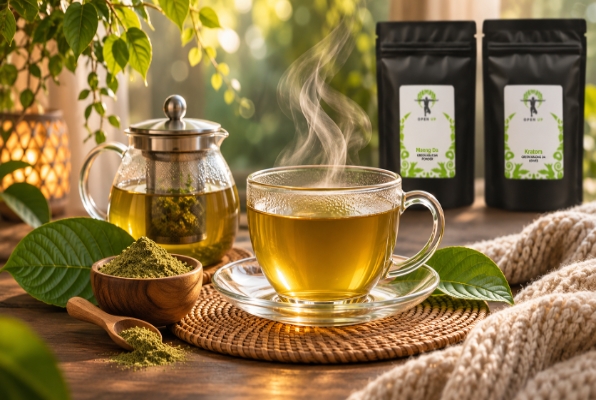
How to make kratom tea: Powder, leaves, tea bags, and more

How to make kratom tea: Powder, leaves, tea bags, and more
Do you want to know how to make kratom tea? Do you, like many people, associate kratom with an extremely bitter drink and want a better alternative? Here at Sirius Smartshop, you are in the right place! Kratom tea is one of the most traditional ways to use kratom, and it can be prepared with either dried kratom tea leaves or finely ground kratom tea powder. In this guide, we explain what kratom tea is, how to brew kratom tea, and how powder compares with leaves, capsules, and the “toss and wash” method. We will use Open Up Green Maeng Da Kratom Powder and Open Up Green Maeng Da Kratom Leaves as our main examples, with clear step-by-step instructions so you can easily follow this blog to make your own kratom tea at home!
Before we start, a warning: With this blog, I do not want to downplay the risks of kratom. As with any psychoactive substance, you should always use kratom in moderation and under safe circumstances.
Kratom affects your opioid system (that is the same system as drugs such as heroin and fentanyl), so it can cause unpleasant side effects and be very addictive! Some people use kratom as an alternative to alcohol or other drugs, but it still carries its own risks, including dependence and potentially serious side effects. We at Sirius do not advocate for any drug use but try to provide information and the right tools that allow our customers to make informed and responsible decisions, and this blog is also part of that. After having said this, let’s get into what you came to read about…
What is kratom tea?
If someone talks about kratom tea, they usually mean a herbal drink made from a product of Mitragyna speciosa, a tree native to Southeast Asia. Traditionally, fresh or dried kratom leaves have been chewed or brewed in water. Today, most people outside Southeast Asia make kratom leaf tea or kratom powder tea from dried products.
Kratom contains naturally occurring alkaloids, including mitragynine. Its reported effects vary with the product, amount, individual, and setting. Some users describe more stimulating effects at lower amounts and more relaxing or sedating effects at higher amounts. This does not make kratom a harmless “green tea”: it is a pharmacologically active product that deserves careful use!
For more background on the plant, its history and composition, visit the Sirius Kratom Encyclopedia or read Kratom 101.
Kratom tea leaves vs powder: which should you choose?
Both forms come from kratom leaves, but they behave differently in a teapot.
- Kratom powder is finely ground and convenient to weigh. It mixes easily into water, although it does not truly dissolve. This means a kratom tea with powder can remain cloudy or gritty unless you let the sediment settle or filter it carefully.
- Crushed or dried kratom leaves are usually easier to strain. They create a more recognisable herbal-tea experience and work well in a saucepan, teapot, reusable kratom tea bag or French press. They may require more space and a longer brew than powder.
If you want to buy kratom, our online Smartshop offers a wide selection of kratom under our house brand Open Up, including colors (green, red, white, yellow) and origin countries (Thai, Malay, Bali). Different colors and regional names are commonly associated with different effect profiles, but responses vary, and product names are not a guarantee of a particular experience. While green is generally the most popular, the same basic brewing method can be used for red kratom tea, white kratom tea, or yellow kratom tea from anywhere.
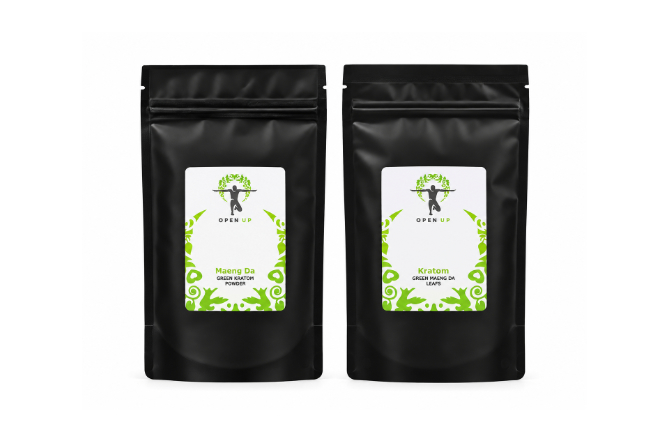
How to make kratom tea from powder: Green Maeng Da recipe
This is the easiest Green Maeng Da kratom tea recipe when you have Open Up Green Maeng Da powder. With our Green Maeng Da, we generally recommend a range of 1–5 grams - lower is reported to be more stimulating and higher more sedating.
Warning: Beginners should always take a lower dose, and you should never estimate a kratom powder dosage with teaspoons: powder density and spoon size vary too much.
What you need
- Open Up Green Maeng Da Kratom Powder.
- A precise digital scale (for example, a Tanita 1479J-series model!)
- 300–500 ml water
- A saucepan with a lid
- Teacups (and optionally a nice pot)
- A spoon or whisk
- A fine-mesh strainer, coffee filter or clean cloth
- Optional: lemon, ginger, honey, sugar or another tea
Step 1: Weigh the powder
Place a small container on your scale, set it to zero, and weigh the amount specified on the packaging. Asking yourself how many teaspoons of kratom you should use? A level teaspoon can hold a very different amount depending on how fine, dry, or compact the powder is - that's why we recommend a precise scale.
Step 2: Heat the water
Bring 300–500 ml of water close to the boil, then reduce the heat. Add the measured powder and stir thoroughly. But be careful not to let the water get too hot, as this can create foam, evaporation, and an annoying layer of kratom around the pan.
Step 3: Simmer gently
Keep the mixture at a low simmer for approximately 15–20 minutes, stirring occasionally. So, how long should you boil kratom tea? Think “gentle simmer”, not hard boiling. Some quick recipes simply steep kratom powder in hot water for 10–15 minutes, but simmering gives the powder more time to mix with the water!
Step 4: Strain or let it settle
Turn off the heat and let the tea cool briefly. For a smoother drink, pour it through a fine-mesh strainer followed by a coffee filter or clean cloth. Powder is very fine, so filtering can take time. Another option is to let the sediment settle and carefully pour the clearer liquid into a second cup.
Step 5: Improve the flavor
Kratom has an earthy, bitter taste. Lemon or lime adds freshness, ginger adds warmth, and honey or sugar softens the bitterness. You can also combine the prepared liquid with ordinary green tea, mint tea or fruit tea. If you use green tea, this gives you a blend of kratom and green tea. However, “kratom green tea” can also refer to tea made from green-vein kratom.
Drink slowly and do not immediately prepare more because the desired effect has not appeared yet. Effects and onset vary, especially when food, individual sensitivity, and other factors differ.
How to make kratom tea with crushed leaves
Open Up Green Maeng Da leaves are ideal for a more traditional-looking brew. They are less potent than powder, so we give 5–15 grams as the recommended range for this leaf product. Remember to follow the packaging and always use a scale rather than guessing.
What you need
- Open Up Green Maeng Da Kratom Leaves
- A digital scale
- 500–750 ml water
- A teapot or saucepan with a lid
- Teacups (and optionally a nice pot)
- A spoon
- A tea strainer, French press or reusable tea bag
- Optional flavourings
Step 1: Measure the leaves
Weigh the dried leaves according to the product instructions. Dried kratom leaves are much bulkier than powder, but their strength cannot be compared by appearance or volume alone. Alkaloid content can vary between products and batches.
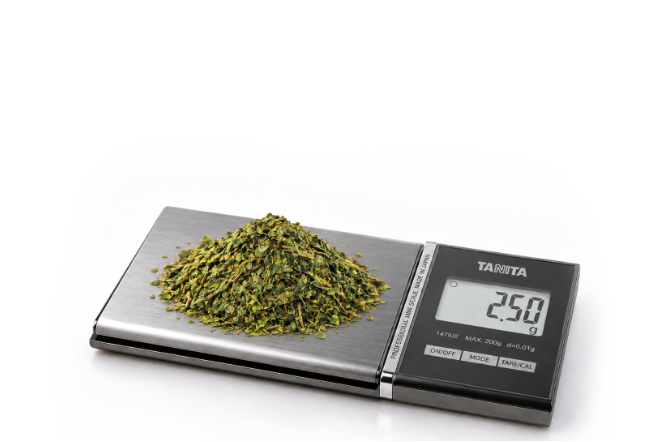
Step 2: Add leaves to hot water
Heat the water until it begins to simmer. Add the leaves, reduce the heat, and cover the saucepan loosely. Covering helps limit evaporation while still allowing you to check and stir the brew.
Step 3: Brew for 15–20 minutes
Simmer gently, stirring a few times. For a lighter kratom leaf tea, you can remove it sooner; for a fuller herbal flavor, allow the complete brewing time. Avoid repeatedly boiling the same batch in an attempt to make kratom stronger or more potent. Increasing intensity also increases the chance of nausea, dizziness, drowsiness, and other unwanted effects.
Step 4: Strain and serve
Pour the liquid through a tea strainer. A French press also works well: add the brewed mixture, wait for the leaves to settle, and press down slowly. Add lemon, ginger, honey, or your preferred tea, then serve hot or allow it to cool into kratom iced tea.
Tea bags, French presses, coffee pots, and cold brew kratom tea
You do not have to use a saucepan every time. The alternatives below can work, but each has its own advantages and limitations.
How to make kratom tea bags
Fillable tea bags work best with crushed kratom leaves. Powder may escape through the material and remain in your cup. Place the filled bag in very hot water, steep for around 15 minutes, and move it gently through the water. Do not overfill it; the leaves need room to expand. Ready-made kratom tea bags can be convenient, but always check how much kratom each bag contains. A bag is a container, not a universal dose.
Making kratom tea in a French press
A French press is one of the best ways to strain kratom tea made with leaves. Add the measured leaves and hot water, steep, stir once or twice, and lower the plunger slowly. Fine powder can pass through the metal screen, so powder tea may still require a paper filter.
How to make kratom tea in a coffee pot
A drip coffee maker can hold leaves in a paper filter, but it gives you less control over temperature and contact time. Residue may also remain in the machine. A saucepan or French press is generally easier to clean and control. Never use the same machine later without cleaning it thoroughly.
Cold brew and kratom iced tea
Making cold brew kratom tea is sometimes described online, but cold water produces a slower and less predictable preparation. A simpler option is to brew kratom tea with hot water, strain it, cool it, and serve it over ice. Add lemon, mint, or fruit juice for a more refreshing kratom drink.
If you want to read about more ideas to use kratom beyond just tea, see our six kratom recipes, which also include kratom drinks!
How to make kratom taste better
The best way to make kratom tea better is to balance bitterness rather than bury it under huge amounts of sugar. Try one or two of these additions:
- Lemon, lime or orange
- Fresh ginger
- Honey or agave syrup
- Mint, chai, green tea or fruit tea (we offer an amazing selection of healthy tea)
- Apple juice or another strongly flavoured juice
- Ice and citrus for a cold kratom drink
Kratom tea dose, effects and responsible use
There is no reliable universal kratom tea dose. Product form, batch, body weight, tolerance, food intake, and individual sensitivity all matter. Follow the exact Open Up label and use a scale. Do not apply the powder instructions to leaves, extracts, kratom pills, or other kratom tea products.
Kratom tea effects can include stimulation, relaxation, drowsiness, nausea, constipation, dizziness, and sweating. Rare but serious problems have also been reported. Do not drive or operate machinery after using kratom.
Some people search for kratom tea for pain, mood, or opioid withdrawal. However, kratom is not an approved treatment for these conditions, and self-treatment can delay appropriate care. Discuss persistent pain, mental-health symptoms or substance dependence with a qualified healthcare professional.
Never mix kratom with alcohol or other psychoactive substances. Kava and kratom tea, kratom CBD tea and combinations with other sedatives may sound relaxing, but combined effects and interactions are difficult to predict. Kratom may also interact with medications. When in doubt, ask your doctor or pharmacist. Before using kratom, make sure you understand the risks by reading our separate guide to kratom effects. If you are unsure whether kratom is suitable for you, avoid using it until you have spoken with a healthcare professional.
I hope that this blog can provide you with everything you need to know for making your own kratom tea. And if you still have more questions, you can read the FAQ below. If there is more you want to learn about kratom or similar psychoactive plants, then I recommend you visit one of the Sirius Smartshops in Maastricht, Venlo or Roermond. The experts there will be able to give you all the answers you need! If you have specific questions about our products or how to order them, you can also always contact our customer service. We at Sirius try our best to help you find the right products for you and the information you need to use them responsibly!
Frequently asked questions about kratom tea
Is kratom tea stronger than powder?
Tea is a preparation method; powder is an ingredient. The final strength depends on the product, measured amount, brewing method, and whether you consume or remove the plant material. Do not assume that a clearer-looking tea is automatically weaker or safer.
Kratom tea vs pill: what is the difference?
Capsules avoid the bitter taste and provide pre-portioned contents, while tea lets you control the liquid, flavour, and brewing process. Neither form removes kratom’s risks. Always check the amount per capsule rather than counting pills alone.
Kratom tea vs toss and wash?
“Toss and wash” means swallowing powder directly with liquid. It is quick but can feel gritty, taste intense, and be unpleasant to swallow. Tea takes more preparation but allows filtering and flavouring.
How long do kratom tea effects last?
There is no single duration that applies to everyone. Product, amount, stomach contents, tolerance, and individual metabolism all influence onset and duration. Do not redose quickly because you think the first serving is not working.
How long does kratom tea last in the fridge?
There is no guaranteed shelf life for homemade kratom tea. Refrigerate it promptly in a clean, sealed container and, as a cautious rule, use it within 24–48 hours. Discard it if the smell, taste, or appearance changes. Label the container clearly and keep it away from children and pets.
Can you make tea from fresh kratom leaves?
Very fresh kratom tea leaves are traditionally used in parts of Southeast Asia, including Thailand. Open Up Green Maeng Da leaves are dried, so their weight and preparation should not be compared directly with fresh leaves.
What are the benefits of kratom tea?
Reported kratom tea benefits include stimulation, relaxation, and changes in mood or discomfort, but evidence for medical benefits remains limited. “Natural” does not mean risk-free, and kratom tea nutrition facts vary depending on the ingredients and preparation.
Can kratom tea cause side effects or liver damage?
Yes. kratom tea side effects may include nausea, constipation, dizziness and drowsiness. Liver problems have been reported, particularly with regular or high exposure and in combinations, although individual risk is difficult to predict. Stop using it and seek medical advice if you develop yellow skin or eyes, dark urine, severe abdominal pain, confusion, or another concerning reaction.
How can I make kratom more potent, stronger or last longer?
The safest answer is not to chase potency. Adding more powder, using concentrated extracts, repeatedly reheating a batch, or combining kratom with other substances can increase risk. Measure one planned serving, use it in a safe setting, and leave enough time before making any decision about future use. If you find it difficult to stop using kratom, speak with a healthcare professional.
Is kratom tea legal?
Kratom laws differ between countries and can change. Check the current rules in your country and destination before ordering or travelling with kratom. The Sirius webshop operates under Dutch law, but customers remain responsible for local legislation.
Ready to brew your own kratom tea?
Making kratom tea can be as simple as weighing your product, gently simmering it, straining it and adding a flavour you enjoy. Powder is convenient and versatile, while crushed leaves offer a more traditional tea-making process. Whichever you choose, careful measuring and responsible use matter more than finding the “strongest” recipe.
Did you enjoy reading this article and do you like to write yourself? We are always looking for people who share our passion for natural products, who can also translate this into great texts. And we have an interesting reward for this. View all information for writers.
 Blog CBD
My cup of coffee (or tea) with CBD
Coffee is a drink that became the number one popular drink in 1750, thus displacing beer from its place. (Around that time, coffee had finally become [..]
20-02-2022
10 minutes
 Blog Cannabis
Discover the effects of terpenes in cannabis and how they change your high
Terpenes in cannabis, what are they really? In this blog about terpenes, Gweedo takes you into the wonderful world of aromatic plant substances, which [..]
14-07-2021
7 minutes
 Blog Organic Cannabis Growing
Everything you need to know about bud boosters
August is approaching. The month in which outdoor-grown cannabis will enter the flowering phase. In our climate the sooner the better. August is also [..]



 Nederlands
 Italiano
 Deutsch
 Français
 Português
 Español
 Polski