




 Spacemiles - Collect discount -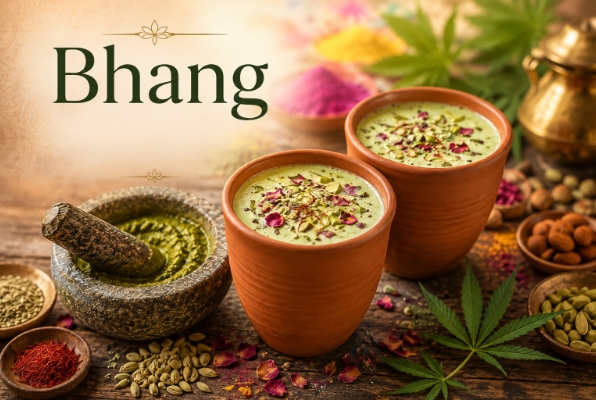
Bhang: Traditional cannabis edible, origins, benefits, risks & how to make it

Bhang: Traditional cannabis edible, origins, benefits, risks & how to make it
Bhang is a traditional cannabis preparation, often made into a paste and mixed with drinks or food to be consumed as an edible, with strong associations with Hindu traditions, Indian festivals, Ayurveda and broader Indian cannabis culture. Read this blog to find out everything you need to know about bhang! We cover what bhang is, where it comes from, its different types, how bhang works in the body, an example preparation process for a bhang drink, useful tips, bhang benefits and side effects, and more.
What is bhang?
Bhang is a traditional edible cannabis preparation from India, usually made primarily from the leaves and sometimes small stalks of the Cannabis sativa plant. Some modern recipes may also include cannabis flowers. The plant material is soaked and then ground into a paste, which may also be rolled into smooth green or brown balls known as bhang goli. Bhang itself is basically a paste-like cannabis preparation; it is most often consumed by adding it to different foods and drinks, which can also be referred to as bhang. Most famously, it is mixed into drinks such as bhang lassi or bhang thandai, often with milk or yogurt, sugar, fruit, nuts, and warming spices.
What are the cultural and historical roots of bhang in India?
Bhang has deep roots in Indian culture, appearing in ancient texts and traditions going back thousands of years, and to this day, it holds a widely accepted place in social and religious life, especially in North India. The most famous form of bhang is probably bhang thandai, a drink made with milk, ground nuts, and spices, traditionally shared during the spring festival of Holi and the night of Maha Shivaratri.
While Holi connects to many Hindu gods like Krishna and Vishnu, bhang is most deeply tied to Lord Shiva. Sacred stories describe bhang as his favorite herb, linked to his deep meditation and power. Because of this, sadhus (Hindu holy men) often use it as a spiritual tool for devotion. According to one popular myth, during the churning of the cosmic ocean, cannabis plants sprouted wherever drops of the nectar of immortality (amrita) fell to Earth. In fact, cannabis is referred to as one of five sacred plants in the ancient Hindu text known as the Atharva Veda. It has also featured in Ayurvedic medicine for centuries, where it has traditionally been used for complaints such as digestive problems, pain, sleep problems, and other ailments.
Types of bhang
Bhang cannabis can appear in several different forms, depending on the region, tradition, and way it is prepared. The base is usually a preparation made primarily from cannabis leaves that can then be added to food or drinks. You may encounter names such as:
- Bhang goli: a small green or brown edible pill or ball made from bhang material, sometimes combined with other ingredients.
- Bhang lassi: This is a yogurt-based drink mixed with bhang paste
- Bhang thandai: bhang paste made into a drink with milk, nuts, sugar, and spices such as fennel, cardamom, ginger, or pepper.
- Bhang powder: bhang weed product is also sometimes sold or used as a powder, especially in Ayurvedic or traditional preparations.
- Bhang ki chutney: despite the name, this is a non-intoxicating hemp-seed condiment from Uttarakhand, India. It is made from roasted hemp seeds (bhang seeds) but not the THC-containing buds, (so this form doesn't have the psychoactive effects), mixed with spices such as cumin, green chilies, cilantro, and garlic.
How is bhang made?
Bhang is traditionally made by soaking and grinding cannabis plant material into a smooth, vibrant green paste. If you want to make your own bhang at home, you can completely customize its form, but you need to remember two rules if you are adding THC-containing cannabis buds and want to feel the psychoactive effects:
- Heat activates more THC: much of the THC in fresh cannabis is initially present as THCA. Heating accelerates its conversion into psychoactive THC through decarboxylation.
- Use products that contain fat: cannabinoids such as THC and CBD are highly fat-soluble, and consuming them with fatty foods can affect and increase their oral absorption. Traditional ingredients such as whole milk, yogurt, nuts, and ghee therefore work well in bhang preparations.
Step-by-step bhang recipe
To make your own bhang, follow this recipe:
- Wash and soak: Prepare your dry weed leaves and/or buds by washing and soaking them in water, which softens up the fibers.
- Grind your cannabis: traditionally, the wet cannabis is crushed on a heavy stone slab (sil-batta) or in a large mortar, until it reaches a fine paste consistency. If you want to speed this up, you can use a blender!
- Infuse: At this step, you can mix your paste with a warm liquid. If you want to make traditional bhang thandai, use whole milk, sugar/honey, and a heavy mixture of crushed almonds, pistachios, and poppy seeds, optionally adding cardamom, saffron, fennel seeds, rose water, or ginger.
- Heat: Simmer while stirring for around 10 minutes, then turn off the heat, cover the mixture, and let it steep for another hour.
- Strain: Traditionally, the mixture is then poured through a fine muslin cloth; you can use a cheesecloth or a fine strainer
- Chill: cool your delicious drink for around 1 hour. Traditionally, it is served cold.
- Enjoy!
If you prefer to use separately decarboxylated cannabis, you can follow our guide:: How to decarb your weed.
Modern bhang making tips: Depending on what potency you want your bhang drug to have, adjust the amount of buds you include in your bhang recipe with a precise digital scale and adjust depending on the potency of your weed. For another cannabis drink preparation, read our blog on how to make weed tea. Also, if you are growing your own plants and want to use your buds in a normal way, but have nothing to do with leaves and trimmings from your plants, making homemade bhang is a perfect solution, resulting in a delicious drink and nothing going to waste! Just remember that if you only use leaves, your bhang will be of lower potency.
How does bhang work?
Bhang is known for its psychoactive effects because it works like a cannabis edible. It is eaten or drunk rather than smoked, and after you consume it, the cannabinoids pass through your digestive system and liver before you feel the full effects, which is why bhang can take longer to kick in.
The main active compounds in bhang are cannabinoids, especially THC and Cannabidiol (CBD), in proportions depending on the strains used to make it. THC is the main intoxicating compound, responsible for the high, euphoria, altered perception, increased appetite, and dreamy feeling people may experience after drinking or eating bhang.
Because bhang goes through digestion first, some THC is converted in the liver into 11-hydroxy-THC, an active metabolite that may contribute to the different and sometimes more intense effects of cannabis edibles. This is one reason why bhang can feel different and last longer than inhaled cannabis, although the final effect depends on many factors, including dose, potency, preparation, fat content, and personal tolerance.
What are bhang effects, and does bhang get you high?
Depending on what your bhang is made of, it can get you high, especially if it contains enough activated THC. The main effects of bhang are similar to those of other weed edibles, including relaxation and a lifted mood; some people may feel giggly and calm, while others may feel dizzy, anxious, confused, or overwhelmed if too much is consumed.
You may also be wondering, “Does bhang cause euphoria?” and the answer is: it can, but the exact bhang effects depend on its strength, the amount consumed, your tolerance, whether you have eaten before, and many other variables. Discover more facts about the effects of weed edibles on our blog on Everything you need to know about weed edibles.
What is the effect time of bhang?
Since bhang is consumed as an edible, effects can start after around 30 minutes to 2 hours, while the full effects may take longer to develop. So although bhang can take much longer to kick in than smoking weed, its effects can also last longer.
Effects of classic weed edibles vs bhang
The high from traditional bhang made from outdoor-grown landrace strains is more gradual and gentle, with physical relaxation and gentle euphoria, whereas weed edibles often deliver a more potent and intense mental punch. That is because modern edibles are made only with the very potent weed buds, while bhang can be made with buds but also other plant parts, such as leaves, which means the final products may be of lower THC concentration. Of course, this is a generalisation, and the final strength always depends on the cannabis material used, the recipe, and how the product was made.
Bhang benefits and side effects
Now let's discuss why people use bhang, what its benefits are, and whether bhang is good for health.
Bhang benefits
Some of the acute effects people may experience from cannabis edibles such as bhang include:
- Euphoria
- Relaxation
- Dreamy or meditative feeling.
- Increased appetite
- Altered perception
- Reduced nausea for some people.
- Relief from discomfort or tension for some people.
What are the potential health benefits of bhang?
Bhang has a long place in Ayurveda and Indian traditional medicine, but there is not enough science to say that bhang itself is a proven medical treatment. However, cannabis-derived cannabinoids have been studied for several medical uses. Evidence supports some cannabinoid medicines for symptoms such as chronic pain, chemotherapy-related nausea and vomiting, and muscle spasticity, while evidence for conditions such as anxiety and sleep problems is more limited. This does not mean that bhang itself is a proven treatment. If you are interested in the more medical side of marihuana without the high, check out our CBDShop in which you can find plenty of CBD products, including oils, capsules, cosmetics, CBD hemp tea, and more!
Disclaimer: Cannabis and cannabinoid products may affect symptoms differently from person to person and can also worsen anxiety or trigger other mental health symptoms in some individuals. Always consult your healthcare professional before using cannabis as a treatment.
Side effects of bhang
Possible short-term bhang side effects include:
- Dry mouth
- Red eyes (you can use our Open Your Eyes eye drops to help with this).
- Dizziness
- Anxiety or panic
- Confusion
- Paranoia at higher doses.
- Impaired memory and concentration.
- Poor coordination
- Slower reaction time
- Increased heart rate
- Nausea or vomiting if too much is consumed.
Because bhang is an edible, one important risk that would lead to those short-term side effects is taking too much before the effects fully kick in. To reduce the risk of taking too much, start with a low amount and avoid taking more before the first serving has had enough time to take effect.
What are the long-term side effects of bhang?
With frequent or heavy use, bhang may carry the same risks as other cannabis products, including memory and concentration problems, cannabis dependence, withdrawal symptoms, and mental health risks in vulnerable people. Bhang's side effects on the brain may be more concerning for teenagers or young adults due to ongoing brain development, and it should also be avoided by people with a personal or family history of psychosis or serious mental health problems.
Warning: High doses of THC can cause temporary paranoia, hallucinations, or other psychotic symptoms. Frequent use, particularly of high-THC products and especially among vulnerable individuals, is also associated with a higher risk of persistent psychotic disorders.
Comparison of bhang and other cannabis forms
Because cannabis products have many different names, the terminology can easily become confusing. To understand exactly how bhang differs from other forms of cannabis, here is a short list pointing out the differences:
- Bhang vs. ganja: bhang is traditionally made mainly from cannabis leaves, and depending on the bhang, it can also be made with buds or other cannabis plant parts. It is usually eaten or drunk, while ganja refers to the flowering or fruiting tops of the cannabis plant and is commonly smoked. Because ganja consists of resin-rich flowering material and inhalation has a faster onset than eating cannabis, the experience can be very different.
- Bhang vs. charas: Bhang is a cannabis preparation made mainly from leaves and commonly consumed in foods or drinks. Charas is cannabis resin traditionally collected by hand from living plants and formed into a dense mass. While bhang is normally eaten or drunk, charas is typically smoked or otherwise inhaled. Read more about it in our blog about charas!
- Bhang vs. weed: weed generally refers to dried cannabis flowers, while traditional bhang is made primarily from cannabis leaves.
FAQ: Frequently Asked Questions
Is bhang legal in India?
Under Indian law, charas and ganja are controlled, while cannabis leaves and seeds are treated differently when they are not accompanied by flowering tops. Under the federal NDPS Act, cannabis leaves and seeds are excluded from the definition of ganja when they are not accompanied by flowering or fruiting tops. This allows leaf-based bhang to be legally sold in some states through licensed systems, although state and local rules vary. However, rules vary by state and region; always make sure to check the local laws.
Warning: Bhang containing cannabis flowering tops may fall under different legal rules because flowering or fruiting tops are included in the NDPS Act's definition of ganja.
Is bhaang addictive?
Yes, it can be. Bhang containing THC can lead to tolerance, dependence, and cannabis use disorder, particularly with frequent use. Not everyone who uses it develops a disorder, but the risk increases with frequent consumption and younger age at first use.
What are the positive effects of smoking bhang?
Technically, bhang is drunk or eaten but not smoked. The reported effects of consuming bhang can include relaxation, euphoria, increased appetite, drowsiness, and altered perception, similar to other cannabis edibles.
How do I consume bhang goli?
Bhang goli is usually eaten, sometimes swallowed or chewed; it can be dissolved in water, milk or yogurt to make a bhang drink. Because oral effects can be delayed, taking additional portions before the first has taken effect can cause unexpectedly intense intoxication.
What is the bhang plant?
Bhang is made from the cannabis plant and is not a distinct cannabis strain. Traditional bhang is made primarily from the leaves and may also include small stalks.
Did you enjoy reading this article and do you like to write yourself? We are always looking for people who share our passion for natural products, who can also translate this into great texts. And we have an interesting reward for this. View all information for writers.
 Blog Cannabis
Enjoying cannabis together (in times of corona)
Nowadays cannabis is more respected and appreciated in certain parts of the world. Interested parties include policymakers and companies. In the US, a [..]
30-09-2021
7 minutes
Blog Cannabis
Enjoying cannabis together (in times of corona)
Nowadays cannabis is more respected and appreciated in certain parts of the world. Interested parties include policymakers and companies. In the US, a [..]
30-09-2021
7 minutes
 Blog Organic Cannabis Growing
Harvesting your home-grown cannabis
When will you harvest? That's what every grower is concerned with. When the seed germinates you are already looking forward to the harvest. If you [..]
14-03-2022
8 minutes
Blog Organic Cannabis Growing
Harvesting your home-grown cannabis
When will you harvest? That's what every grower is concerned with. When the seed germinates you are already looking forward to the harvest. If you [..]
14-03-2022
8 minutes
 Blog Cannabis
Munchies because of weed, what does that really mean?
Getting the munchies from cannabis, has it happened to you yet? The munchies is a phenomenon that many stoners experience from time to time and can be [..]
Blog Cannabis
Munchies because of weed, what does that really mean?
Getting the munchies from cannabis, has it happened to you yet? The munchies is a phenomenon that many stoners experience from time to time and can be [..]



 Nederlands
 Italiano
 Deutsch
 Français
 Português
 Español
 Polski